Menu

Posts tagged “creativity”

Video games to help fight climate change

Karn Bianco asks What if video games could help fight climate change? No, really:

One of the first in a new line of climate change-focused games was survival game Eco. Developed by Seattle-based Strange Loop Games, this massively ambitious civilization simulator includes everything from detailed ecosystems and realistic climate modeling to player-driven government and economies. Players work together in a shared online world where every action impacts the environment around them. Laws to restrict or encourage almost any kind of behavior can be suggested and enacted to test their effects on the world.

This is a really neat development. I also like the ideas about how this could translate to long-running simulation games like SimCity:

Imagine a SimCity that puts people (not cars) and sustainability (not endless growth) first. Where designing a city that’s easy and safe to navigate on foot or by bike is not just possible but rewarded, with lower pollution and healthier citizens. Where constructing energy-efficient buildings provide long-term in-game benefits like lower energy demands, as well as a chance to learn about real world trends like passive housing.

How science fiction helps us understand the economy

Annalee Newitz wrote a really interesting essay on how economic anxieties are creeping into fantasy and science fiction stories. From The Rise of Dismal Science Fiction:

We’re used to science fiction providing us with commentary on technology, and vocabulary to discuss its more worrisome consequences. But underlying our fears of robots stealing our jobs or corporations turning us into consumer droids are more basic anxieties about money—and science fiction is increasingly reflecting that. For audiences grappling with the fear of poverty, or simply bewildered by postmodern economics, stories like Game of Thrones, Black Panther, and Malka Older’s critically acclaimed novel Infomocracy function like Aesop’s Fables for the 21st century.

My current favorite sci-fi series, The Expanse, is another great example of this. Yes, it’s a story about space and scary things, but it’s mostly a story about inequality and economic oppression.

Mutemath on creative collaboration and the importance of (sometimes) working alone

I’m a really big Mutemath fan. If you haven’t listened to their latest album, please do yourself a favor and get on that! In the Rolling Stone interview Mutemath’s Paul Meany on Near-Breakup, New LP ‘Play Dead’ they talk about their creative process on the album:

Mutemath assembled the track list in an unconventional way. Instead of arguing endlessly over what songs to pull from their massive pile of 30 demos, the musicians each hand-picked three and assembled the basic framework themselves before bringing the other back into the process.

”We just trusted each of us to go into our corners and materialize a vision for that particular song and bring it back to the band to finish the puzzle together,” Meany says. “And it was exciting to watch everyone in the band firing on all cylinders. The mantra was just ‘indulge,’ and we trusted each other to do that. And we wouldn’t have been able to do that a few albums ago. If you just get into ‘indulge’ mode, that’s usually the recipe for garbage. Every person in the band should always feel that – someone’s gotta to create some parameters at some point. But I think we’ve worked together long enough now and have developed the trust within that creative space to just say ‘go.’ This was the culmination of all that.”

I tend to think that’s a great way to collaborate on design as well. Go away and do your thing with no constraints, come up for air and get feedback and make changes, rinse and repeat.

Best board games for young kids (that are fun for adults as well)

Updated: October 17, 2016

Over the weekend my 6-year old daughter was playing with a pretend wand, doing what every 6-year old is supposed to do to her dad: make him do silly things. She would touch me with the wand and go, “Jump like a frog!” or “Walk around in circles!” And of course, I performed these actions in a crowded park without shame or reservations, because these are the things we do for our kids.

I even added a twist to the game. After performing each action (and once her laughter died down) I would say “Oh, that wand doesn’t work on me, it’s not making me do anything.” Her first few attempts to convince me (“See? You just jumped on one leg!”) failed, so she changed her strategy. She got quiet for a minute, clearly thinking through the problem of how she would get me to admit that she’s making me do stupid things. Then she looked up, touched me with the wand, and said, “Realize that the wand is working on you.” And that was it. How could I continue my ruse without breaking the core internal rules of the game? I relented.

Now, forgive my bias, but that’s a bloody brilliant solution to the problem. It’s a level of meta-thinking that I didn’t think a 6-year old would be capable of. But there she was, foiling my master plan to derive at least some enjoyment from the humiliation she was so gleefully putting me through. I readily admit that in this particular instance I got solidly beaten.

I mention this because there’s something else we’ve been doing a lot of recently, and that’s playing board games together. We started simple (i.e. boring for adults), but very soon moved on to more complicated games, and I think I’m now more excited than she is about our daily play sessions. And I have a feeling it’s changing the way she thinks. I’m pretty sure board games are teaching her how to think ahead, solve problems, and weigh the longer-term consequences of her actions. And maybe—I have to retain some dignity here, ok?—maybe that’s why she was able to beat me so cleverly in the wand game.

So with that pre-amble, I wanted to write down a short list of the games that we’ve enjoyed and play all the time, in case there are any other parents who would like to try this with their kids. We are having so much fun with this, so I highly recommend you give it a shot.

Let’s start simple and move on to the more complicated stuff…
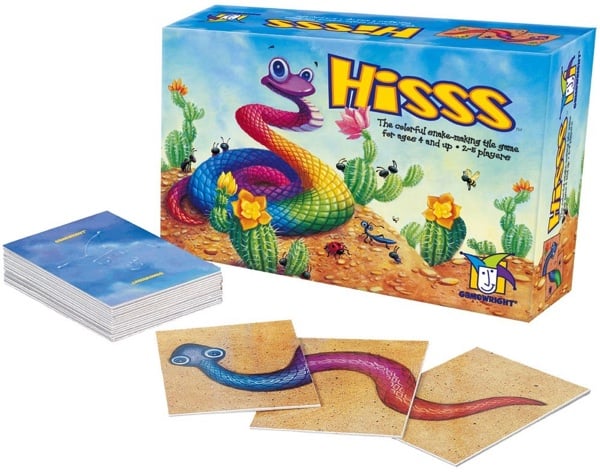
Hisss Game

Hisss is the game we play when our 3-year old insists on playing along. It’s a dead simple color and pattern matching game, but still a lot of fun.
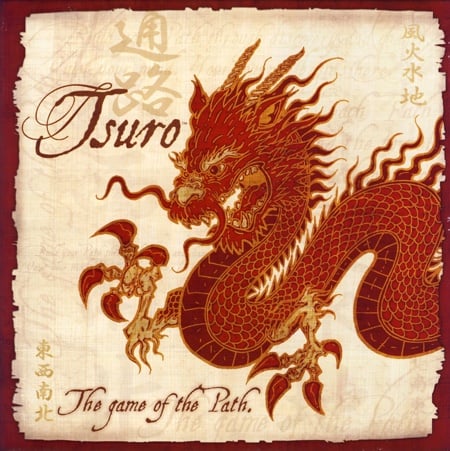
Tsuro Game

Tsuro is a game we found and tried in the game room at the absolutely wonderful Game Masters exhibition at the Oregon Museum of Science and Industry. It’s quick to set up and easy to play, but it lays a good foundation for thinking ahead and considering how actions that affect you might affect others as well.
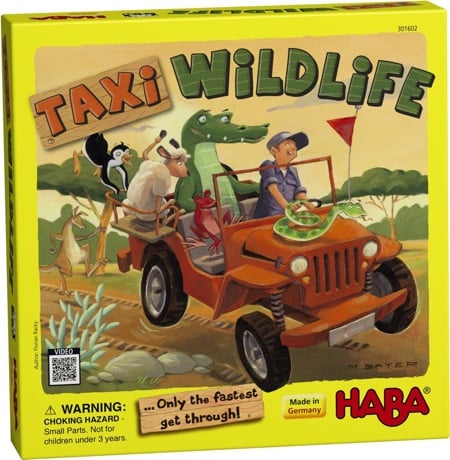
Taxi Wildlife

Taxi Wildlife is fun because it’s a very tactile game. The core gameplay requires you to stick your hand in a bag and feel around for the shapes of different animals. It’s a great way to learn about the importance of different senses.
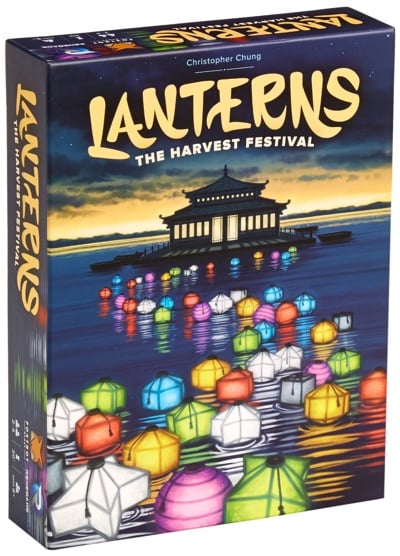
Lanterns Game

Lanterns is where things start to get serious (i.e. really fun for adults). It’s a game that combines a simple pattern matching mechanic with building up enough resources to “buy” the points you need to win the game. We’re spending a lot of time with this one at the moment.
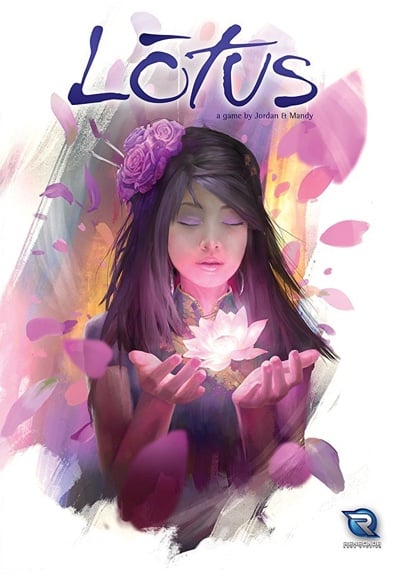
Lotus Game

Lotus is made by the same studio as Lanterns, and it’s just as fun and beautiful. The artwork really is spectacular on this one. I’m not exaggerating when I say that as you build these flowers, it feels like the table you’re playing on is starting to bloom. The rules are less complicated than Lanterns, and it’s a fairly quick game, so it’s a great way to calm the kids down before dinner…

King of Tokyo

King of Tokyo is probably our favorite right now. We tried this out at the unbelievable Guardian Games store here in Portland. When we started I was nervous—the game takes a little while to learn. But once you get it, it goes fast and it’s a lot of fun. I think my daughter loves it because of all the decisions that are required. You roll 6 dice on a turn, and then you have to decide which to keep and which to “reroll” (you get 2 rerolls per turn). The game might seem cartoony, but don’t be fooled—this is a serious game that’s somehow still enjoyable by all ages.
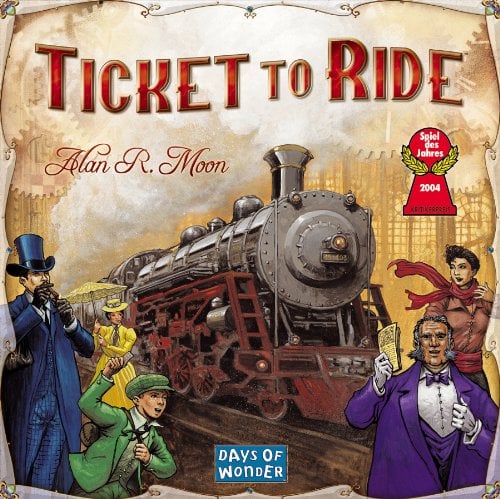
Ticket to Ride

Well, I guess no game overview would be complete without Ticket to Ride. My daughter is obsessed with this one. In addition to the fun and tactile gameplay, it also teaches strategy in a simple way (I’ve already been able to use the phrase “play the long game” in multiple parenting situations…). I haven’t gotten any of the expansions yet, but I hear the 1910 expansion in particular is a very good one.
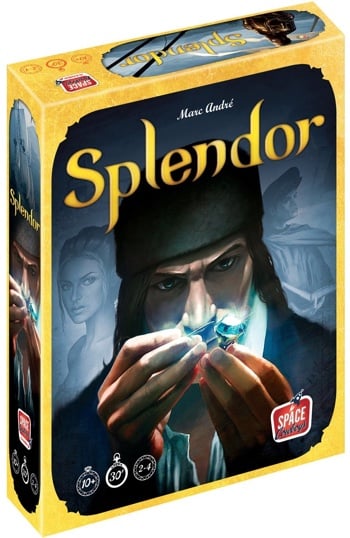
Splendor Game

And finally, we get to Splendor. Ah, what to say about Splendor. This game was a gift from Rich Mulholland, who came to stay with us for a couple of days on a trip to Portland a few months back. Rich is an obsessed board game geek, and he could see I was a curious newbie, having never played anything beyond Monopoly. So of course he took me under his wing. He taught my wife and I how to play Splendor, and then I took it around to a bunch of friends and got them addicted as well. For a while my daughter asked me to show her how to play it, but I held back, not wanting her to get frustrated—this is a pretty complicated game that I thought wasn’t really suitable for kids.

Well, what do you know. She got it on the first try, and beat me in the second round. It was very hard for me to not just go lie down and sulk for the rest of the day. Being caught between pride in my daughter and embarrassment in my own skills is not a good look on me.
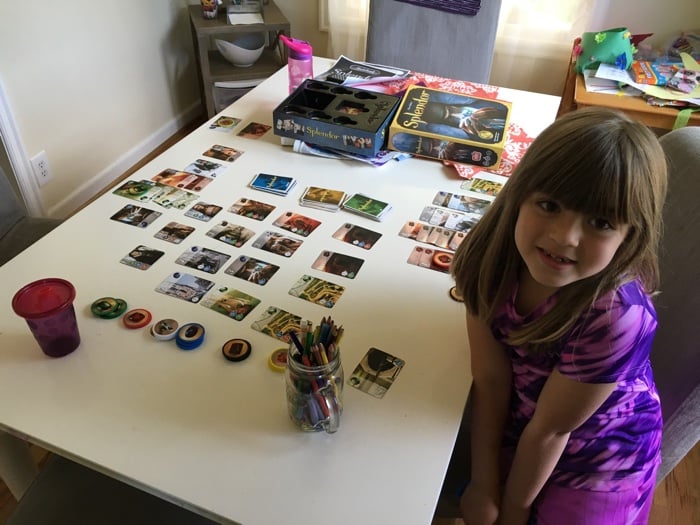
Getting beaten at Splendor

So those are the games we’ve tried and liked. I wanted to pass them on to you, just as Rich passed his favorites on to us and started what I’m sure will be a life-long connection between my daughters and I. Thank you, Rich. What a wonderful thing, to gift someone with a new passion.
Old music, new music, and our not-so-new fear of technology

I get these weird obsessions sometimes—a thing that starts small in my head until it becomes all-consuming for weeks on end. Maybe you can relate? Anyway, my current obsession is centered around jazz, and how much we can learn from it about technology, how we listen to music, and yes, even design.

If you follow me on Twitter you’ll know that I just finished reading How to Listen to Jazz, a book I thoroughly enjoyed. I shared screen shots of some of my favorite sections from the book here, but suffice to say it is about so much more than jazz, and I highly recommend it not just for music lovers, but for anyone who works in a creative role.

Right on cue, as so often happens on the internet, I came across Ken Norton’s excellent post Please Make Yourself Uncomfortable, about some of the leadership lessons we can learn from great jazz records (especially the all-time best one, Kind of Blue):

Miles, Ella, and Duke were adept at guiding their bands into the optimal anxiety zone, making them restless and opening up a space where they could create masterpieces. Such talent is also needed in product management. So much of what we’ve learned, our instincts, are to do the complete opposite. We’re told to minimize risk, communicate a clear plan, and document every step. As product managers, our most important job is to help our teams find the place of optimal discomfort—the goldilocks zone of ambiguity and uncertainty.

The same day I read Gretta Harley’s The Slow Listening Revolution, about why she still has a vinyl collection:

Why vinyl? Commitment. In this mid-second decade of the 21st century, music is being taken for granted on a collective scale. An entire generation of music listeners will never pay for music, nor do they believe that they should. The long form music medium has taken a back seat to song culture, yet the average person only listens to a song for approximately 24 seconds before deciding if it’s worth their time to continue to listen. I ponder the substantive value of something that our capitalistic, corporate-model culture places on “free.” When we can listen to a whole song, or usually only 24 seconds of a song without paying for it, do we really value the music? I wonder if we listeners are as committed to music as we were pre-internet? I really like the internet, so these words are in no way a complaint or indictment, but merely observation.

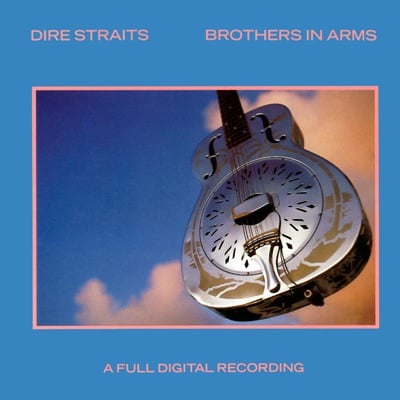
All of this—jazz, new music, old habits—came together as I picked up Dire Straits’s 1985 CD Brothers In Arms, which in some versions had this cover:

It used to be that proclaiming “A FULL DIGITAL RECORDING” was a selling point. Now, the first thing I look for when I buy an album is the phrase Mastered from the original master tapes, a sure sign of its 100% no-digital, analog-only experience.

Or, wait, maybe we’re just being anti-technology in our criticisms of digital music? There has always been a reluctance to adopt new things—a longing for the past and how things used to be. Clive Thompson gives us another example of this historical skepticism in That cursed newfangled technology, “electric lights”:

Robert Louis Stevenson penned “A Plea for Gas Lamps” in 1878, hoping to dissuade London’s authorities from installing obnoxious electric streetlamps like those in Paris. “A new sort of urban star now shines at night,” he wrote, “horrible, unearthly, obnoxious to the human eye; a lamp for a nightmare!”

So I don’t think we’ll solve this particular “which one is better” musical argument any time soon. But if history teaches us anything, it’s that it’s not a new argument, so we should just roll with it. And rock with it1.


  1. Sorry, that’s a really bad joke. I’ll see myself out. 

Why movies are scarier than they used to be

Patricia Pisters explores why horror movies are much scarier than they used to be in her essay Neurothriller:

Consciously or unconsciously, contemporary filmmakers not only tap into increased knowledge about the brain offered by neuroscientific experiments, but their films also stimulate the neural senses of emotions without the detour of narrative. […]

But the difference between the classic thriller and the neurothriller is not simply the difference between a narrative-driven plot and a character-driven plot. It is not necessary, and often not possible, to identify or engage with the character at the beginning of a neurothriller at all. In contemporary cinema, we are often denied an establishing shot or introductory scenes situating the character in a narrative context. Thrown in the middle of a confusing situation, we first connect on the immediate primal level, expressed through cinematography’s aesthetic stand-in for the emotional mind: close-ups, grainy images, colours, sounds can all have direct impact without being connected to either a story or a person. The neurothriller has ‘embodied’ the emotion of the film, just as the human body embodies the emotion of the mind.

Encouraging creativity at all levels of society

Back in 1979 anthropologist Michael Thompson wrote a book called Rubbish Theory. Considered ahead of its time, the book—which has been out of print for decades—explores how discarded objects can become valuable and fashionable again, and how the line between what is regarded as rubbish and what is not regarded as rubbish can be moved. In the article Highlight the power of creativity from below Lorenz Khazaleh interviews Thompson about how the book (and underlying theory) is now finally finding an audience among anthropologists and city planners.

Here is Thompson on seeing so-called “waste pickers”—people who go through trash for valuable objects—as entrepreneurs who are creating wealth:

For example, during the workshop it was said that it does not make much sense to see waste pickers as complete victims. It makes more sense to see them as small-scale entrepreneurs who are creating wealth. They are not excluded, but they are not being recognized for what they are doing. Through skilled sorting and recycling, they are giving material that others regard as worthless new value. This change of perspective has gigantic implications, and not least for climate change.

Thompson goes on:

People generally are very creative and innovative. Many anthropological case studies have shown that. If development happens, it does not happen just through large-scale and “top-down” projects, but thanks to some sort of self help at the very lowest level. But often this creativity from below is not appreciated by the authorities or the wider society. Waste pickers who are sidelined or even prosecuted by authorities are just one of many examples. So, this is a wonderful opportunity for anthropologists to jump in and try to change public policies that prevent people from helping themselves.

This is yet another example of how beneficial anthropology (and its business cousin, ethnography) is in our understanding of people and their needs.

Wisdom quotes for the rest of us

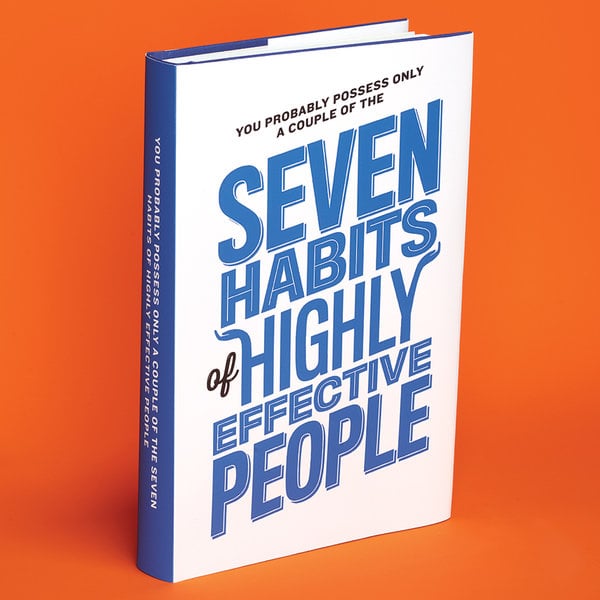
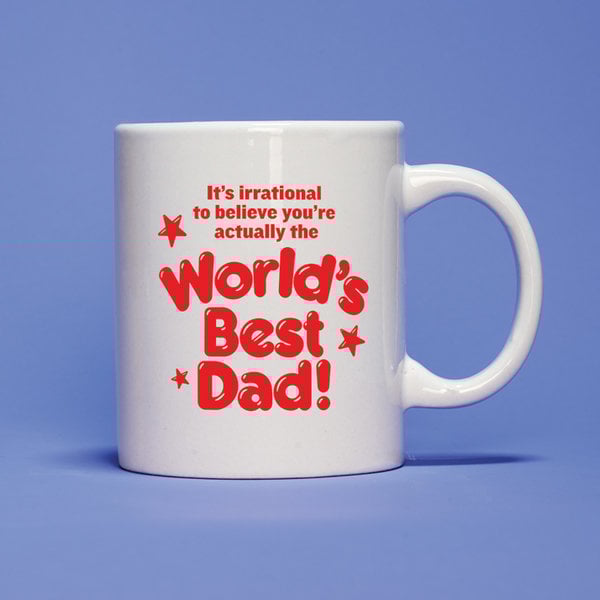
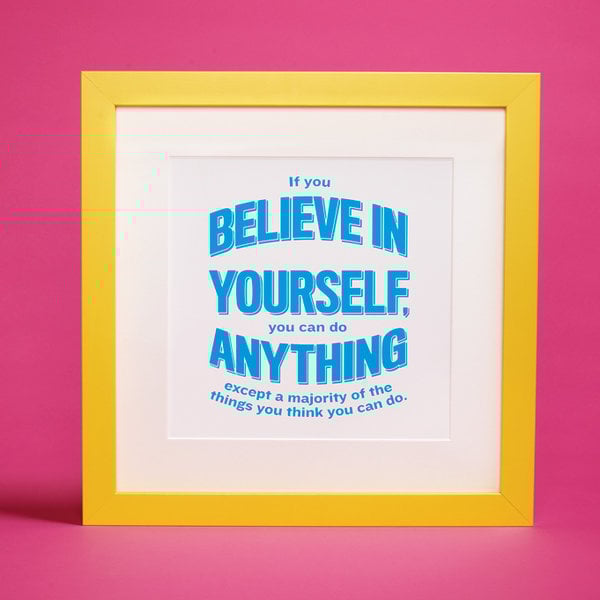
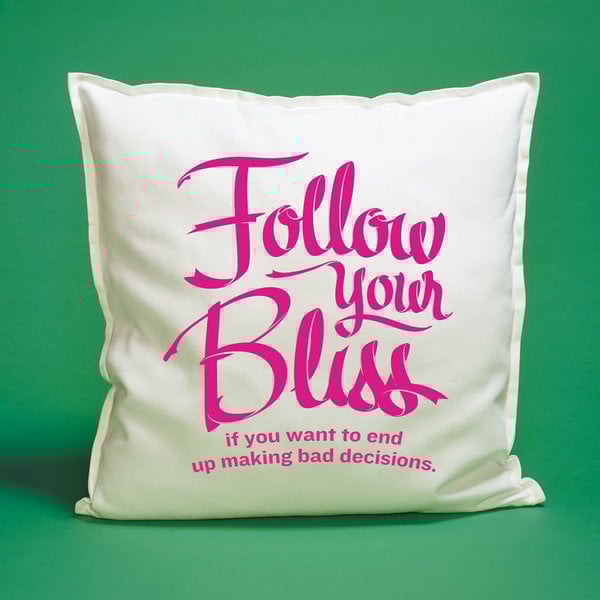
Jennifer Kahn’s The Happiness Code, an article about bringing rationality to self-improvement, is interesting in and of itself. But it’s Hannah Whitaker’s photo illustrations with lettering by Luke Lucas that really drew me in. I’m sure many of you despise pithy “wisdom quotes” as much as I do. So these are like smooth balm to a tortured soul.

Wisdom

Wisdom

Wisdom

Wisdom

You can see more of Hannah’s excellent work here. Luke’s personal website with some his great graphic design projects is here.

The significance of gif culture

I was lucky enough to see Sha Hwang’s brilliant closing keynote at UX Burlington 2015 about his work on Healthcare.gov. So I was excited to see that Sha just posted a recent talk he did called Digital Materiality, a short reflection on gifs and gif culture:

gifs are a dumb, limited file format, and in the end this is why they are  important: they do not belong to anyone. because of their constraints they become a design material, to be played with, challenged, and explored.

Needless to say, there are some really good gifs in that talk…

Quote: Patrick Rothfuss on the importance of travel

If you want to know the truth of who you are, walk until not a person knows your name. Travel is the great leveler, the great teacher, bitter as medicine, crueler than mirror-glass. A long stretch of road will teach you more about yourself than a hundred years of quiet introspection.

—Patrick Rothfuss, The Wise Man’s Fear.